Essential Security Camera Features for Edmonton’s Harsh ClimateEssential Features for Business Security Cameras That Work in Edmonton’s Climate
We recently received a call from a frustrated warehouse owner whose security cameras had frozen solid during a brutal cold snap we had last winter. The cameras? Expensive consumer models that promised “all-weather performance.” The reality? They stopped working the moment temperatures hit -35°C, leaving his facility completely blind.
This isn’t an isolated incident. After ten years installing security systems across Edmonton’s industrial community, we’ve seen too many businesses learn this lesson the hard way. The truth is, not all security cameras are built for Alberta winters—or the unique challenges our commercial environments throw at them.
At Triton Surveillance, we’ve made it our mission to figure out what actually works in Edmonton’s demanding climate. Here’s what we’ve learned about choosing security cameras that won’t let you down when you need them most.
The Reality Check: Why Most Cameras Fail Here
Edmonton isn’t just cold—we’re talking about a city where your coffee freezes before you finish crossing the parking lot. Then there’s the snow glare, the endless winter nights, and those spring temperature swings that can go from -20°C to +15°C in the same week.
Standard security cameras simply weren’t designed for this kind of punishment. But the right industrial-grade systems? They thrive in conditions that would kill lesser equipment.
What Actually Matters: The Non-Negotiable Features
Extreme Cold Performance (Because -40°C Happens)
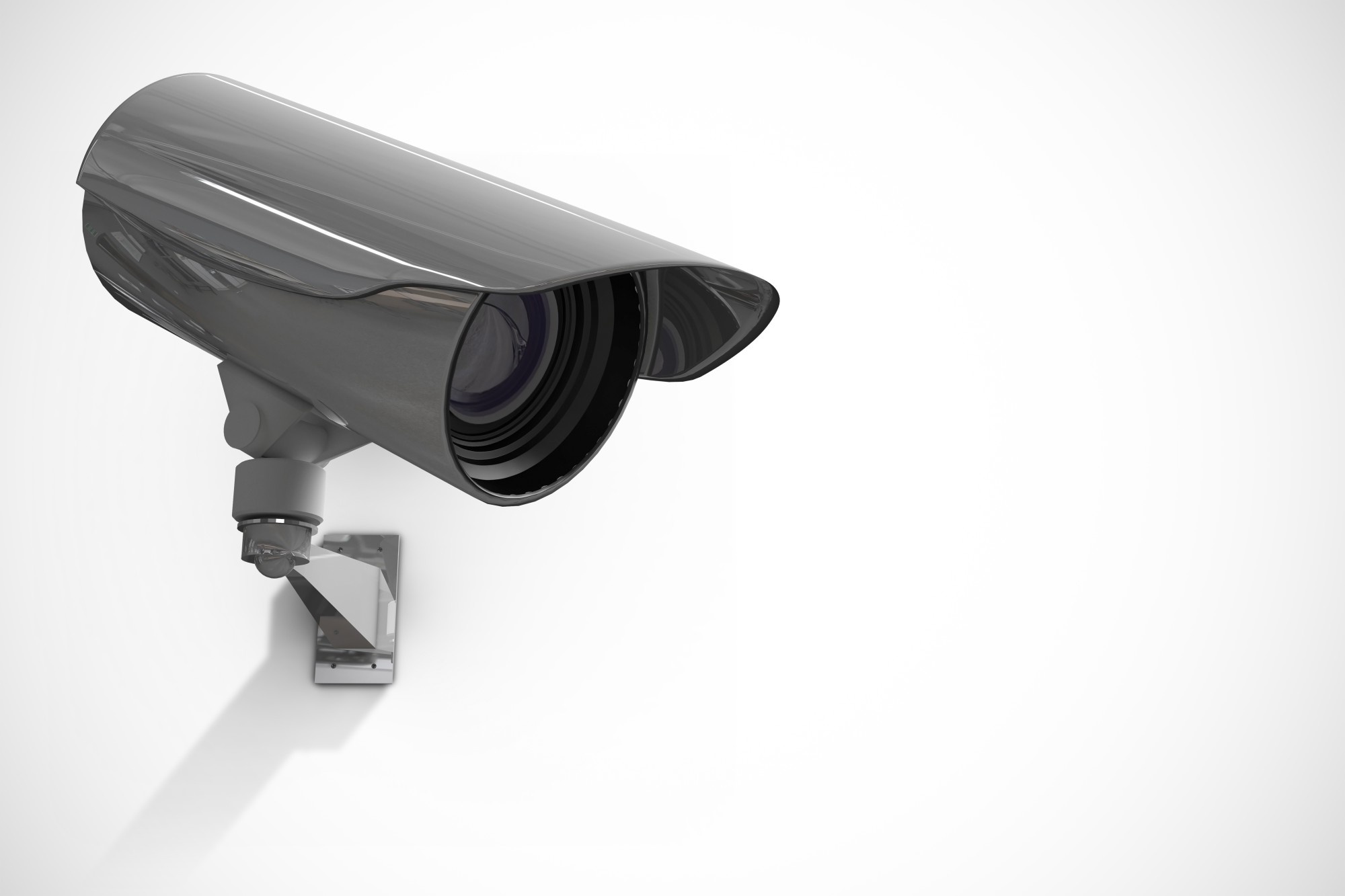
This should be obvious, but you’d be surprised how many “weatherproof” cameras tap out at -20°C. Real commercial-grade cameras need IP66 or IP67 ratings at minimum, and sometimes built-in heating elements that activate automatically when temperatures drop.
We’ve tested dozens of systems over the years, and the difference between consumer and industrial ratings isn’t just marketing—it’s the difference between having security footage and having expensive paperweights frozen to your building.
Image Quality That Actually Helps
Here’s what nobody tells you about security cameras: if you can’t make out faces or read license plates, you might as well not have cameras at all. We’ve seen too many instances where grainy footage was essentially useless when an incident struck.
4K resolution isn’t a luxury anymore—it’s table stakes for commercial security. But resolution alone doesn’t cut it. Wide Dynamic Range (WDR) technology makes the real difference, especially when you’re dealing with snow glare bouncing off loading dock concrete or trying to see into shadowy warehouse corners.
Night Vision That Goes Beyond Basics
Edmonton winters mean your cameras are working in darkness for 16+ hours a day. Basic infrared is better than nothing, but long-range IR or low-light color sensors are what define true functional security.
We’ve installed systems at a car dealerships and outdoor storage yards with inventory theft issues. The difference between their old cameras and the new night vision setup was like switching from candlelight to stadium lighting.
Remote Access That Actually Works
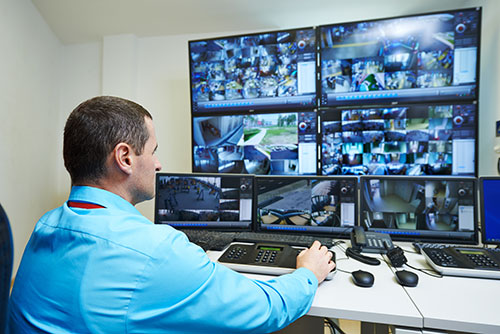
Your security system needs to work when you’re not there—which, let’s face it, is most of the time. Real-time monitoring, instant alerts, and mobile access aren’t fancy add-ons; they’re essential business tools.
We set up systems that let you check your facility from your phone while you’re having coffee on Whyte Ave, or get immediate alerts if someone’s prowling around your Nisku warehouse at 2 AM. The peace of mind alone is worth the investment.
The Practical Stuff: Scalability and Durability
Growing With Your Business
Whether you’re running a single shop or managing multiple locations across the metro area, your security system should scale with your operations. We’ve designed systems that let property managers monitor everything from a downtown office to industrial sites in Acheson.
Built to Last (And Built to Take a Hit)
Vandalism is real, especially in industrial areas. IK10-rated dome cameras in high-risk zones aren’t overkill—they’re insurance against someone with a rock and bad intentions.
Why Local Expertise Makes All the Difference
Here’s something the big box stores won’t tell you: installation quality matters more than the equipment itself. We’ve fixed more botched DIY installations and inexperienced disasters than we care to count.
Working with a local team means working with people who understand Edmonton’s unique challenges. We know which cameras work best on north-facing walls, how to account for snow load on mounting hardware, and which systems integrate seamlessly with the access control setups common in our industrial parks.
More importantly, when something goes wrong (and eventually, something always does), you’re dealing with people who can be on-site the same day, not a call centre in another time zone.
The Bottom Line
Security cameras are like insurance—you hope you never need them, but when you do, you want systems that work flawlessly. In Edmonton’s challenging environment, that means investing in equipment and installation that can handle whatever Alberta throws at them.
Whether you’re protecting a Sherwood Park retail location, a St. Albert office complex, or an industrial facility in the northeast, the right security system pays for itself the first time it prevents a loss or provides crucial evidence when you need it most.
Ready to secure your business properly?
Contact Triton Surveillance at 1-888-707-8228 or info@tritonsurveillance.ca to discuss what would work best for your specific situation. We serve Edmonton and surrounding areas, and we’d be happy to walk through your facility and recommend solutions that fit your needs and budget.